A Hotter, Richer, More Immersive Sauna Experience
Infrared saunas are often chosen for their lower temperatures and gentler feel. For many homeowners, that softer approach works well. But for people who want a stronger, more satisfying sauna ritual, traditional saunas still offer something infrared cannot fully replace.
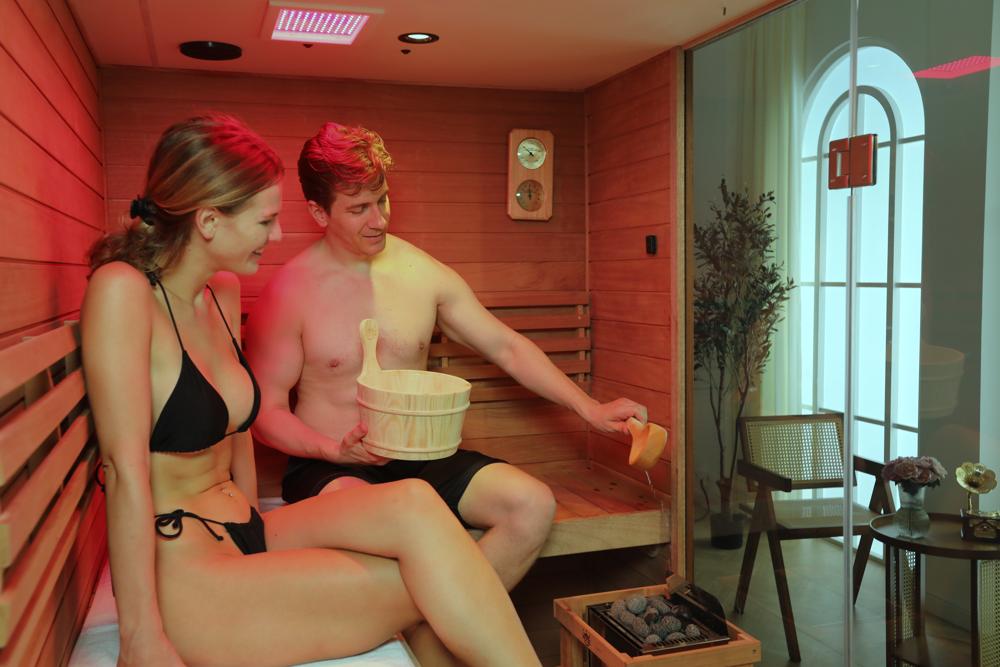
Traditional sauna bathing is about more than warmth alone. It is about stepping into a space where the heat surrounds the body, the steam fills the room, and every session feels immersive, substantial, and deeply restorative. Compared with the lighter feel of infrared heat, traditional saunas create a fuller-body experience that many sauna lovers associate with true relaxation.
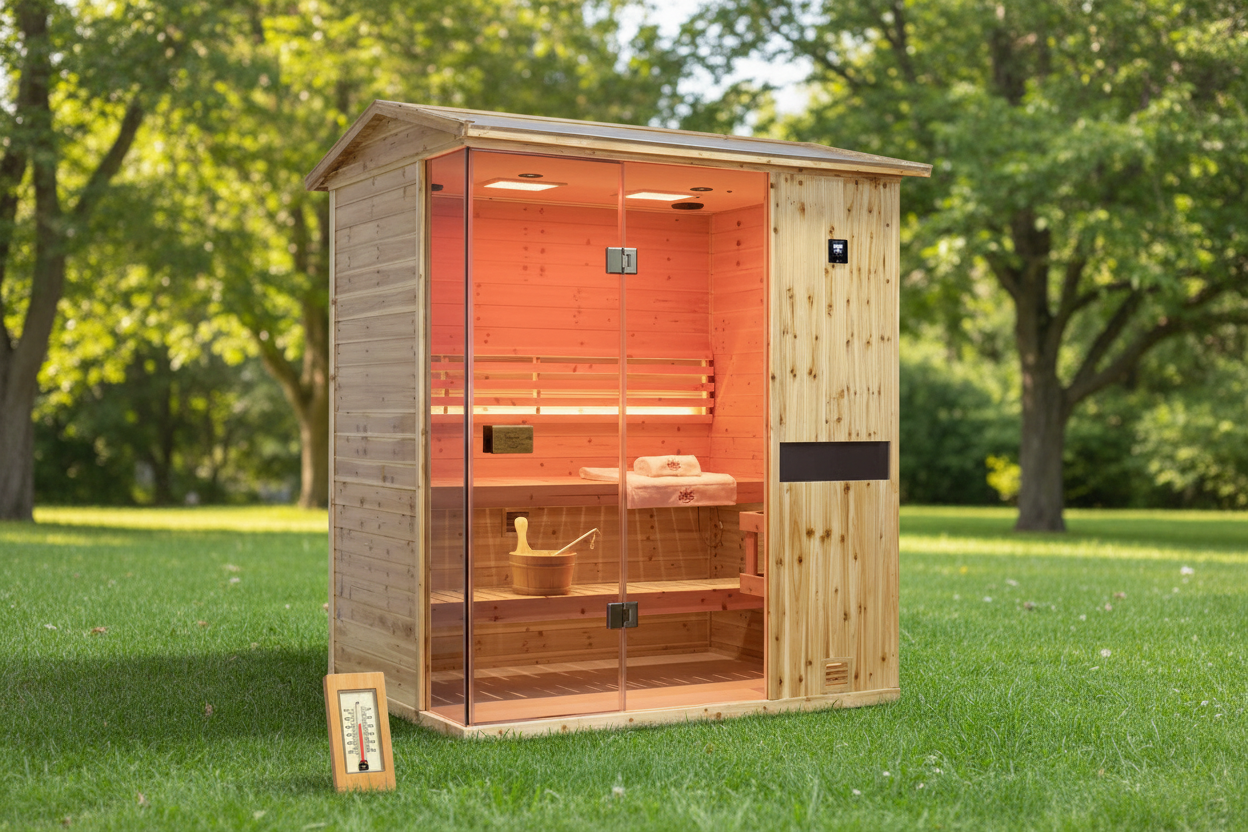
Whether you are exploring beautifully crafted indoor saunas for everyday home use or premium outdoor saunas for a more nature-connected setting, traditional sauna design continues to stand out for its atmosphere, intensity, and timeless appeal.
Traditional Heat Feels More Complete
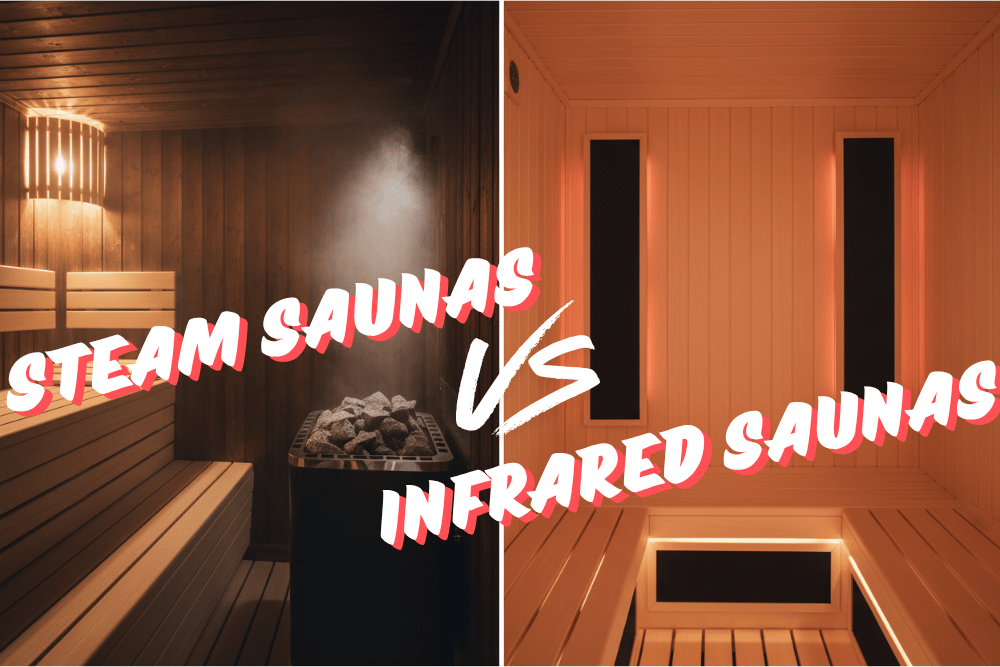
Infrared saunas use infrared light to warm the body at lower temperatures. Traditional saunas work differently. They heat the air around you, creating a hot, enveloping environment that feels stronger from the moment you step inside.
That difference matters.
Instead of experiencing isolated warmth, you feel surrounded by heat from head to toe. The result is a more immersive sweat session, a more grounding rhythm, and a sauna ritual that feels more complete. For many people, this is what makes traditional sauna use so rewarding. It does not just warm the body. It transforms the whole environment around you.
Higher Temperatures, Stronger Presence
One of the biggest differences between infrared and traditional sauna bathing is temperature.
Our traditional sauna models can reach up to 230°F, creating the kind of intense, enveloping warmth that many experienced sauna users prefer. That higher heat can lead to a fuller sweat, a stronger sense of release, and a deeper-feeling reset after a long day, a demanding workout, or a cold evening outdoors.
Infrared is often chosen for mildness. Traditional sauna is often chosen for impact.
If you are looking for a sauna session that feels more substantial, more sensory, and more memorable, traditional heat delivers a richer experience.
Steam Creates the Ritual Infrared Cannot Replicate
Infrared heat is dry and direct. Traditional sauna heat is richer, more atmospheric, and more immersive.
Steam changes the experience in an important way. It adds body to the heat, creates a more enveloping feel, and gives the sauna a more authentic character. Many sauna owners love that unmistakable contrast between hot wood, rising steam, and the calming rhythm of a real sauna session.
This is one reason traditional saunas remain so appealing in both home indoor sauna spaces and outdoor backyard sauna settings. The atmosphere feels richer, the ritual feels more intentional, and the session feels more like a true escape from the day.
A More Advanced Traditional Sauna Experience
What makes our traditional saunas different is that they go beyond classic heat alone.
With advanced negative ion technology, the sauna environment feels fresher and more refined during each session. Rather than feeling heavy or one-dimensional, the space feels more balanced, more pleasant, and better suited to daily relaxation.
We also incorporate 660nm red light, which adds another layer of warmth and comfort to the experience. Combined with high heat and steam, it helps create a softer, more elevated atmosphere that feels restorative and thoughtfully designed.
Together, traditional heat, steam, negative ions, and 660nm red light create a multi-layered sauna experience that feels richer than infrared alone. It is not just about getting hot. It is about how the entire environment feels while you unwind.
Indoor or Outdoor, Traditional Sauna Still Leads
Choosing between indoor and outdoor sauna design is often a matter of lifestyle, space, and how you want the experience to feel.
A well-designed indoor sauna is ideal for creating a private wellness routine inside the home. It brings daily comfort within easy reach and makes regular sauna use feel effortless.
A beautifully built outdoor sauna offers something different. It makes the sauna ritual feel more scenic, more atmospheric, and more connected to the seasons. Stepping from cool outdoor air into a hot steam sauna creates a contrast that many traditional sauna lovers value most.
Whichever setting you prefer, the appeal remains the same: stronger heat, fuller atmosphere, and a more authentic sauna ritual than infrared can typically provide.
Why Many Sauna Buyers Still Choose Traditional
Infrared has become popular because it feels approachable. But traditional sauna continues to stand apart for buyers who want more than gentle warmth.
Traditional sauna is often the better fit for those who want a hotter session, a fuller-body sweat, a more classic sauna atmosphere, and a stronger sense of physical and mental release. When paired with negative ion technology and 660nm red light, the experience feels even more complete, bringing together timeless sauna tradition and a more modern comfort-focused design.
For homeowners comparing sauna types, the question is not only which one heats the body. It is which one creates the experience you actually want to return to again and again.
Final Thoughts
Infrared saunas have their place. They are gentle, lower-temperature, and easy for many users to enjoy.
But for those who want a hotter, deeper, and more immersive ritual, traditional saunas offer a more powerful experience. With temperatures up to 230°F, the rich presence of steam, and the added comfort of advanced negative ion technology and 660nm red light, our saunas are designed to deliver a fuller and more satisfying way to relax.
If you are looking for a sauna that feels more substantial indoors, explore our Indoor Sauna Collection If you want a more atmospheric open-air ritual, discover our Outdoor Sauna Collection.
Traditional sauna is not just about heat. It is about atmosphere, ritual, and the kind of relaxation you can truly feel.